1999
Hosts: Wales
1st Australia
2nd France
3rd South Africa

1999
Hosts: Wales
1st Australia
2nd France
3rd South Africa
2003
Hosts: Australia
1st England
2nd Australia
3rd New Zealand
2007
Hosts: France
1st South Africa
2nd England
3rd Argentina
2011
Hosts: New Zealand
1st New Zealand
2nd France
3rd South Africa
Highest score
New Zealand, 145–17 Japan
1995, South Africa
Most individual points
Jonny Wilkinson, 277
England, 1999, 2003, 2007
Most individual tries
Jonah Lomu, 15
1995, 1999
Youngest try scorer
George North, 19 years 166 days (Wales)
Wales v Namibia, 2011
Most team tries in one game
Australia, 22
v Namibia, 2003
Most individual tries in one game
Marc Ellis, 6 (New Zealand)
New Zealand 155 - 17 Georgia, 1995
Oldest player to appear in a match
Diego Ormachea, 40 years 26 days (Uruguay)
Uruguay v South Africa, 1999
Youngest player to appear in a match
Thretton Palamo, 19 years 8 days (USA)
USA v South Africa, 2007
Select a shirt below to discover more about the nations participating at the 2015 Rugby World Cup, including analysis by Stuart Barnes.
Use the arrows below to discover more about the 13 venues being used for the tournament, including travel tips and the best places to gran some pre or post match grub!
Designed by Gilbert
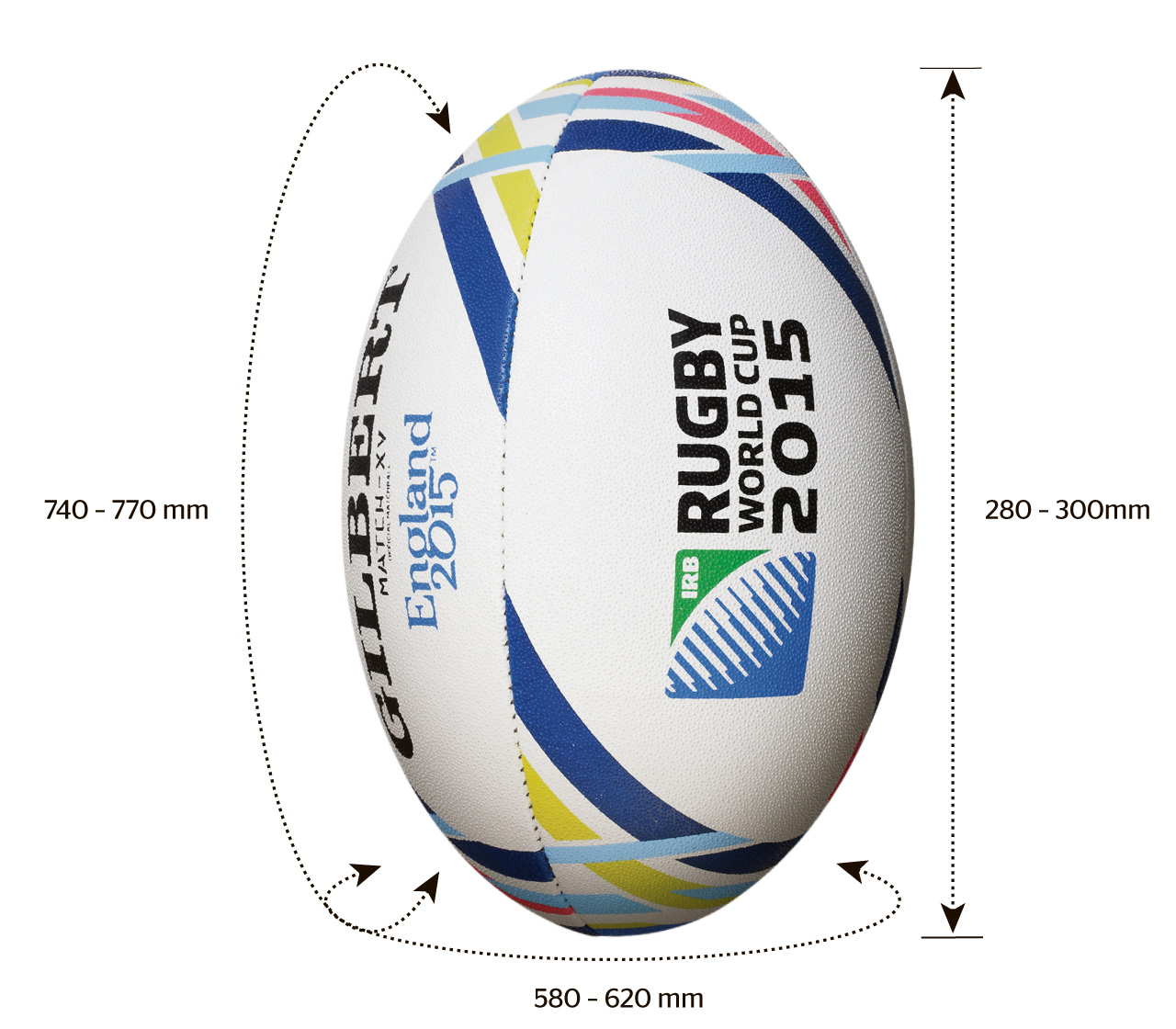
Two years in development, player consultation has been central to the design details of the 2015 World Cup rugby ball – known as the Match XV. Makers Gilbert have said it is their most tested ball ever, and it has been used in the English Premiership, French Top 14 and top-level test matches throughout the 2014 and 2015 seasons.
Striking and innovative artwork has been designed with performance and players in mind, but pleasingly for traditionalists the pimple pattern, weight and shape are all unchanged from 2011. Special emphasis has been given to ensuring that contrasting colours appear on the ends of the ball to enhance visibility for passing, while bold colours along the seams provide kickers with strong visual references.
Hand stitched, the ball is made of laminated three-ply backing material and features a high-performance rubber skin, which Gilbert say is softer and more pliable in hand with better water dispersion.
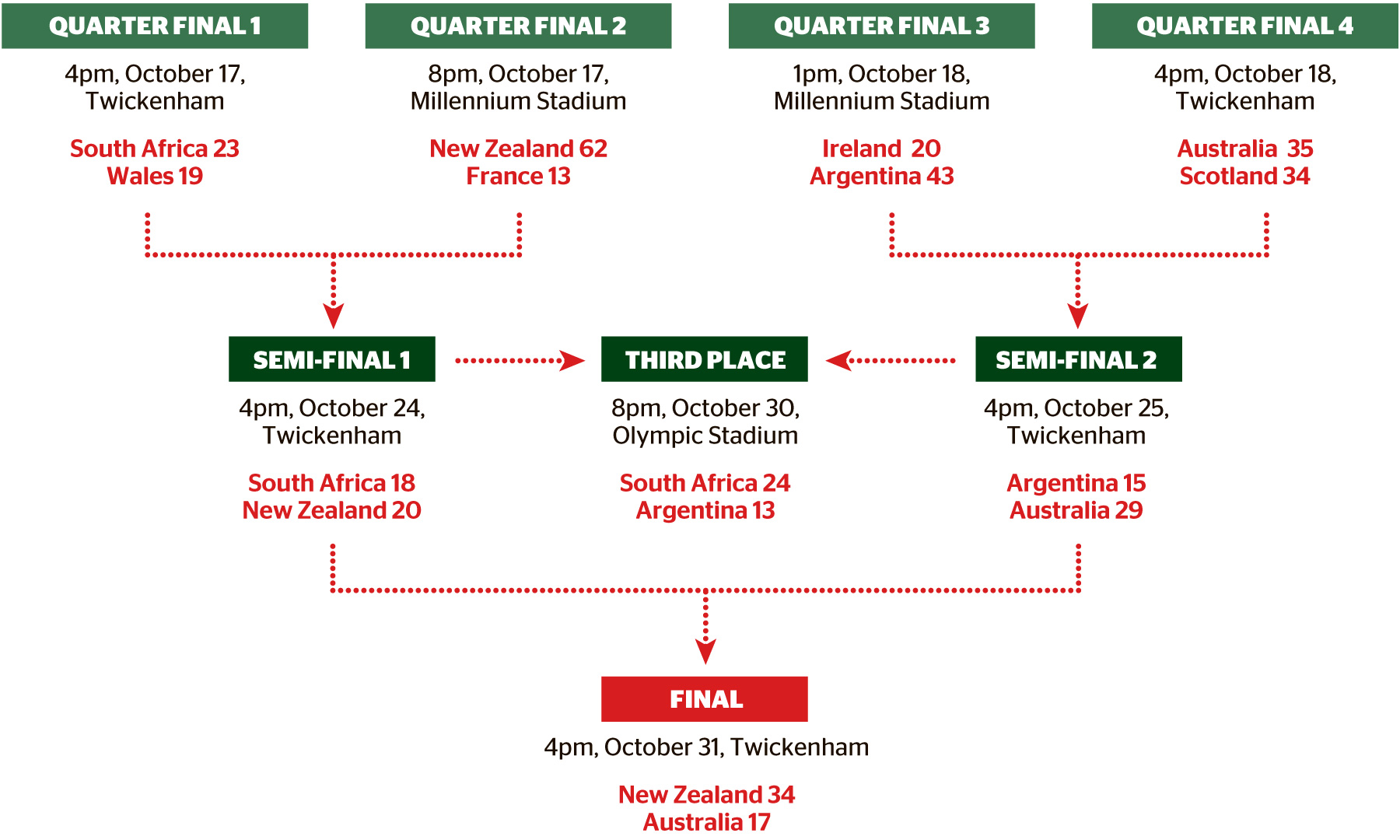
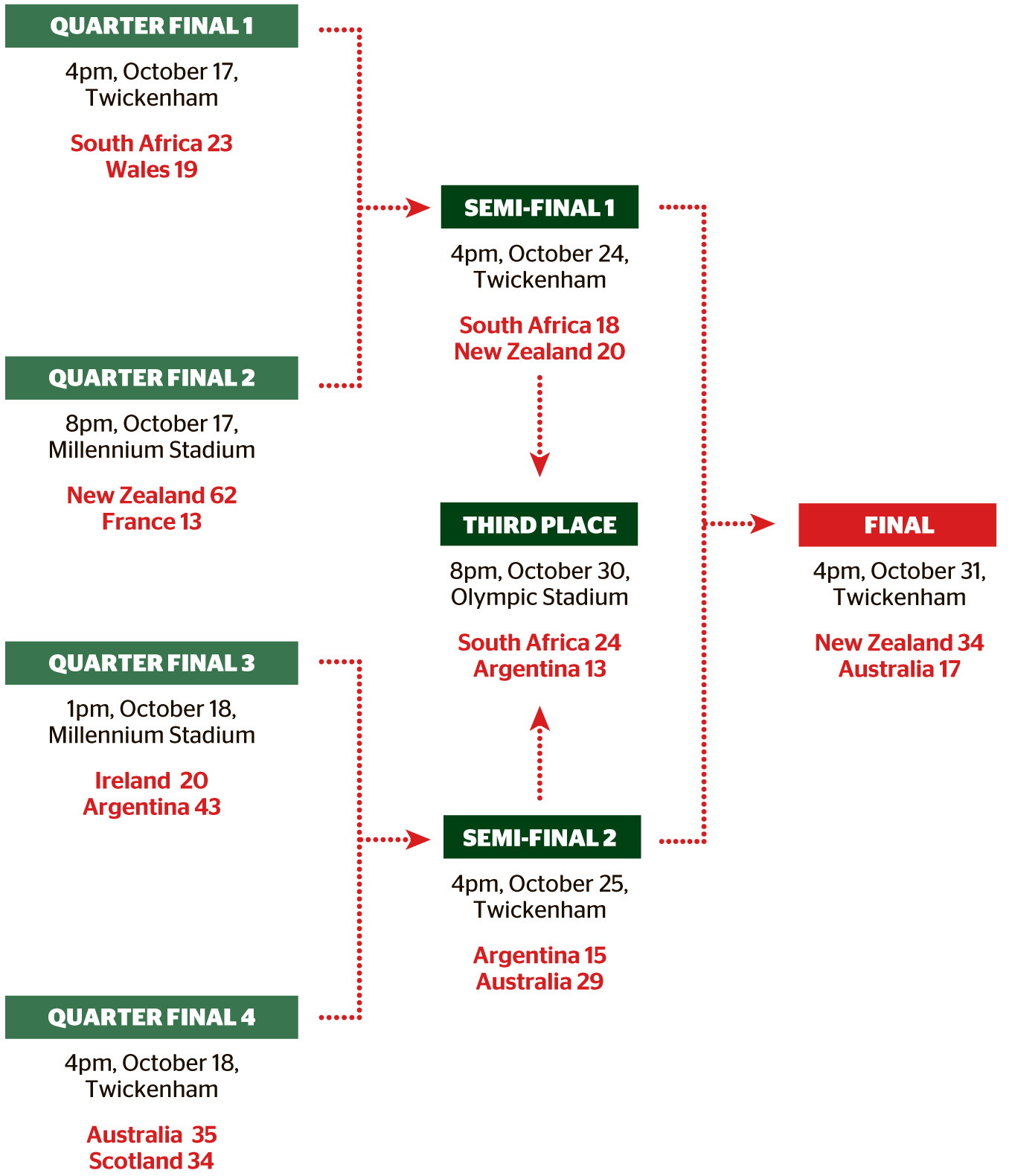
The Webb Ellis Cup is named after William Web Ellis, the man credited with inventing the game of rugby in 1876. Standing 38 centimetre tall and weighing 4.5 kg, the trophy is silver gilt and has been presented to the winner of the Rugby World Cup since the first competition in 1987. On one of the handles is the head of a satyr and on the other the head of a nymph. In Greek mythology, the satyr represents the pursuit of physical pleasure while the nymph represents the object of desire.